As dogs grow older, the countryside doesn’t stop calling, but I’ve learned we need to make adjustments in the way we answer it.
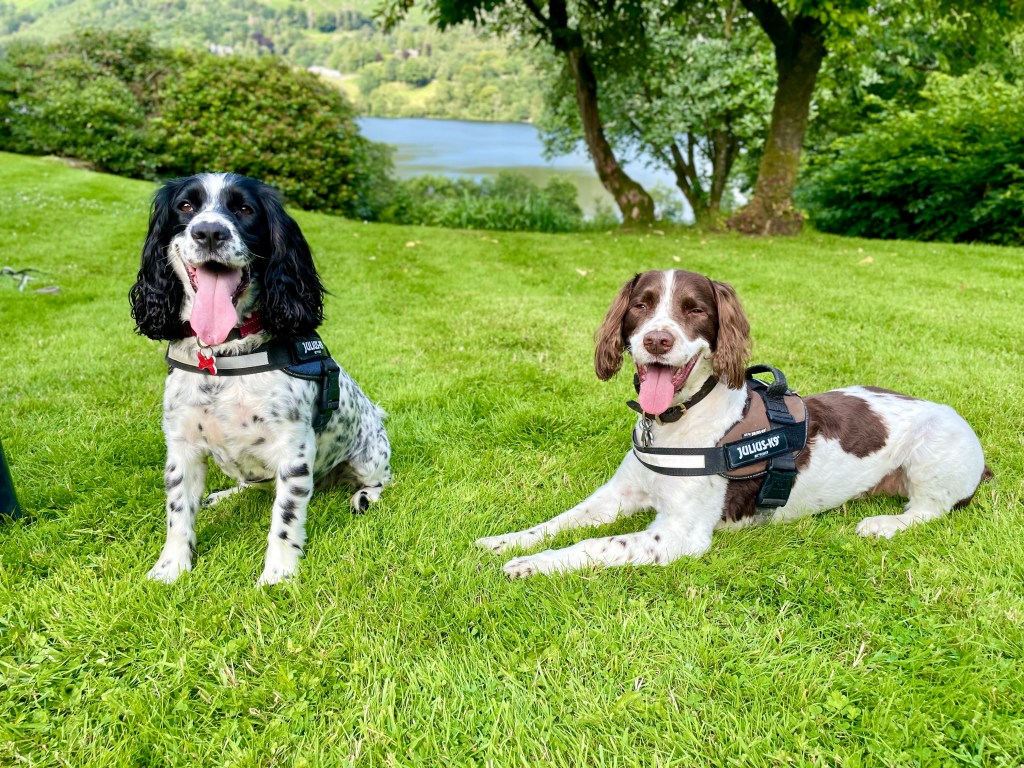
Our lovely boy Duke is twelve and a half now, and arthritis in his legs means we can no longer head out for long three hour treks that we used to enjoy. Instead, we’ve learned to slow right down and think differently about what makes a walk enjoyable for him.
It’s important to add that Ellie is approximately seven years old, although she’s a rescue so we can’t be 100% sure. Thankfully at the moment she’s not showing any signs of arthritis or slowing down. We need to find a balance so that she still gets the exercise and enrichment that she needs too. When we’re out we can throw a ball or another one of her favourite toys gently for her and encourage her to run around looking for things, while Duke is gently trotting around.
Shorter walks – different routes
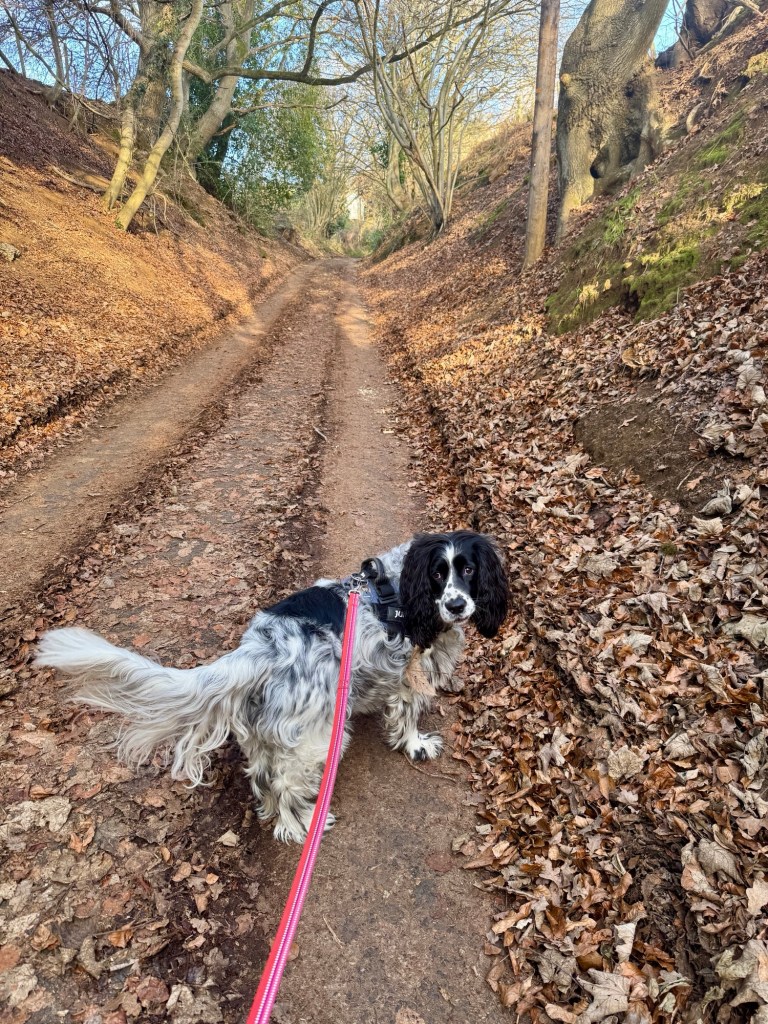
One thing I’ve noticed is that familiar routes often lead to an early stop. If he recognises where we’re going, he’ll quite happily decide after ten minutes that he’s had enough. He will literally stop in his tracks and refuse to move. The funny thing is he actually usually has a massive smile on his face because he knows there’s nothing we can do about it! So the only option we have, after gently encouraging him to go a little bit further, is to ‘about turn’ (not really said in the voice of a sergeant major) and head back home.
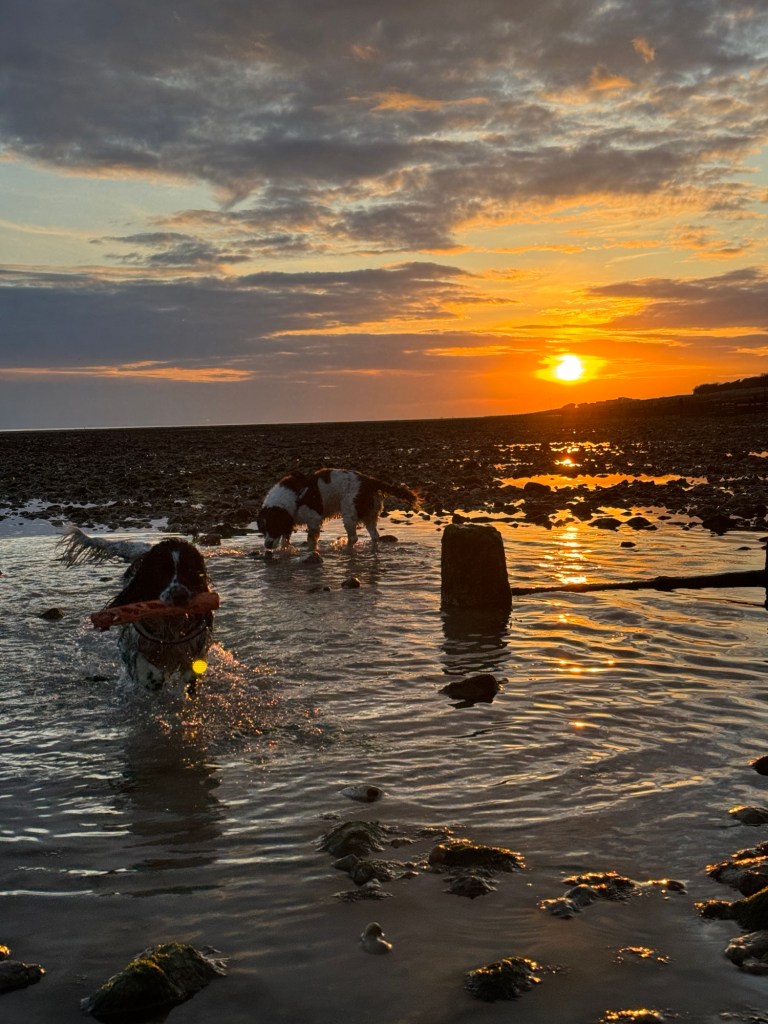
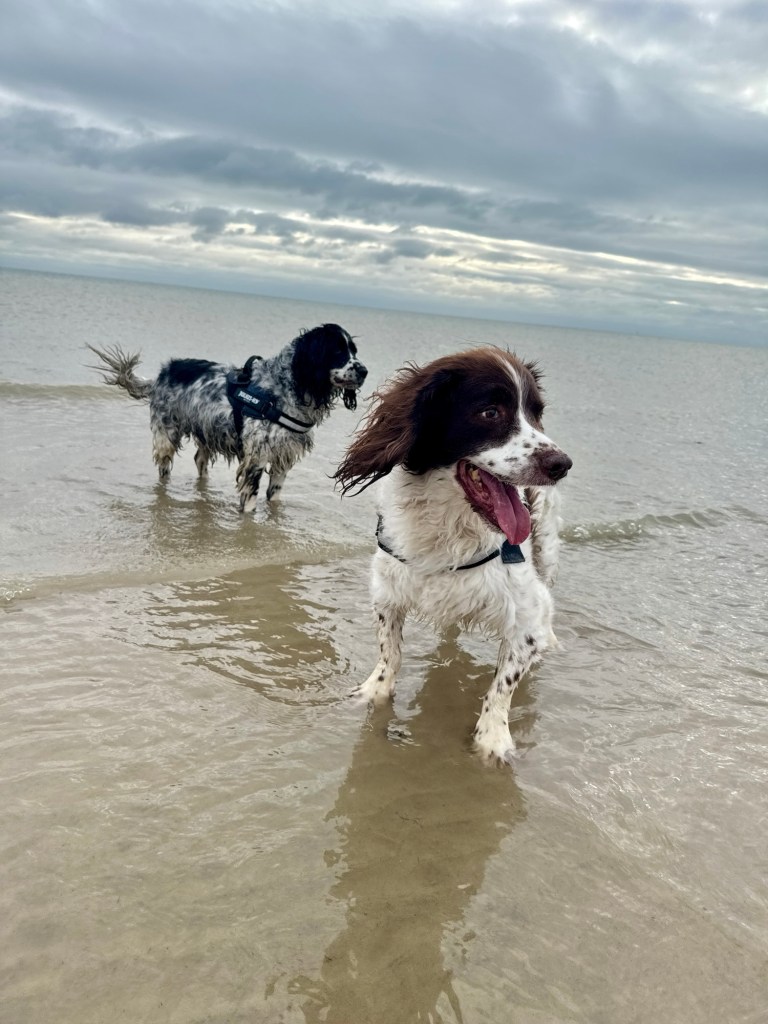
Change the scenery, though, and it’s a different story. A new lane, a different woodland edge, or even the same place approached from another direction seems to spark his interest. The walking becomes less about distance and more about curiosity – and he’ll often keep going for longer without even realising it. Beach days are a definite win and we’re using our National Trust membership to full advantage and visiting new places.

Letting go of “how it used to be”
Caring for a senior dog means adjusting expectations. Walks don’t need to be long to be worthwhile. Sometimes ten gentle minutes, with plenty of sniffing and stopping, can be just as fulfilling as a much longer trek once was.
I’ve also learned to watch his body language closely. When he slows, we slow. When he stops, we stop. The aim isn’t exercise for exercise’s sake – it’s quality of life. Slow gentle exercise is still really really important for dogs with arthritis as it’s crucial to maintain muscles to put less pressure on the worn out joints.
Be mindful when dogs are young
One thing my vet said to me after we discovered Duke had developed arthritis has really stayed with me. High-impact activities when dogs are young – such as repeatedly throwing balls or frisbees at speed, can put a lot of strain on developing joints over time.
Of course, dogs love to run, and play is important. But fast stops, sharp turns and constant chasing can quietly wear joints down, especially if it becomes a daily habit. It’s something many of us do without a second thought, only realising the impact years later. I’m absolutely guilty of this, thinking we were doing a good thing by letting the dogs chase and retrieve the ball – often thrown by a ball thrower, as I’d never win a gold for throwing!
The dogs do both love a game of hide and seek – hiding toys, treats or objects in the garden, for them to practise their natural instinct of retrieving. In hindsight now though, If I could go back, I’d mix things up more with gentler games, more sniffing walks, varied terrain, and fewer high-speed throws. Not to stop the fun, but to help protect those joints for the long run.
I think we all just throw balls for our dogs as it’s a tradition that goes way back. But this is just a reminder that how we care for our dogs when they’re young can shape how comfortable their later years will be.
Supporting ageing joints
Alongside adapting our walks, I’ve also started supporting his joints with supplements and pain killers from the vets. Duke has a monthly injection, plus Metacam. We currently use YuMOVE, which has been helpful, and I’m planning to add glucosamine as well to give his joints a little extra support.
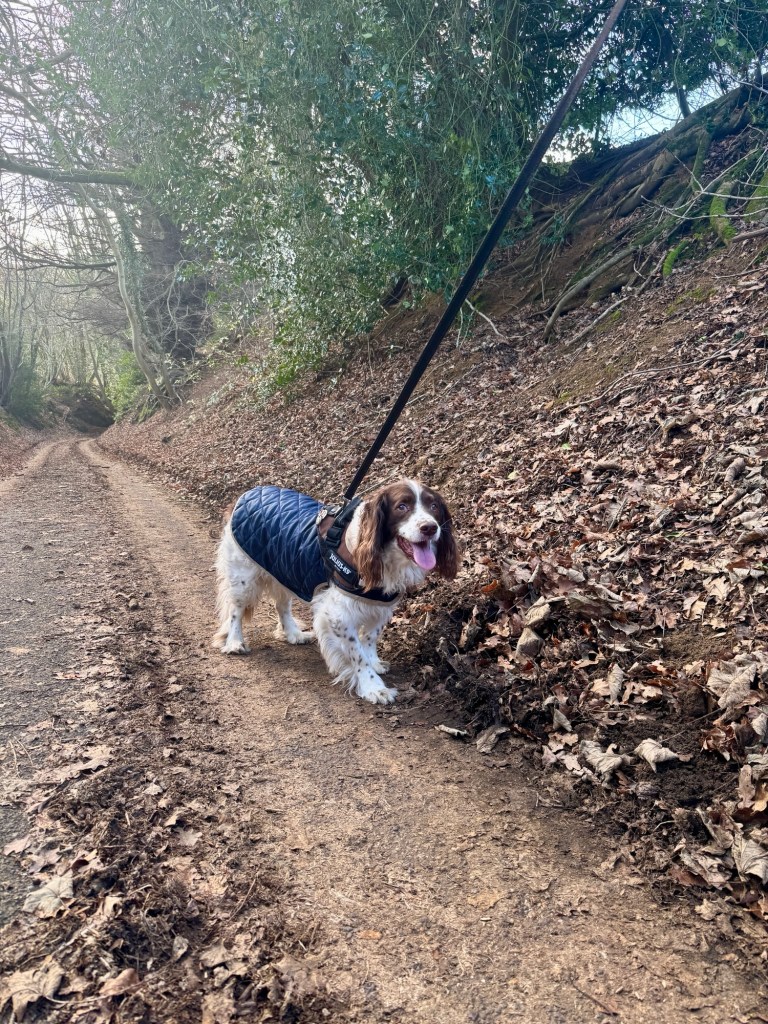
I’ve started putting a coat on him when the weather is cooler. Ageing joints feel more uncomfortable, so keeping him warmer will hopefully help too.
Of course, every dog is different, and it’s always worth chatting with your vet before introducing anything new, but I do believe that small changes can add up to a noticeable difference over time.
A gentler kind of adventure
Growing older doesn’t mean a dog stops loving the world around them. It just means they experience it more slowly and perhaps more deeply.
These days our excursions are quieter and certainly shorter – far less about the time or miles covered. But they’re still full of fresh air, wagging tails, exploring nature and moments that matter. And really, that’s what country life is all about. Sometimes we’ll only manage an hour at the beach, rather than a whole day as we would have previously. An hour at the beach still provides an hour of fun, fresh coastal air and plenty to sniff about. Swimming is great for dogs as water supports their body weight and takes the strain off their joints.
At the end of the day, our dogs rely entirely on us to do the right thing by them. They trust us to make the choices they can’t – from how far we walk, to how hard we play, to how we support them as their bodies change. We love our pets as family, not for how far they can run or how long they can keep up, but for the unconditional love, quiet companionship, loyalty and joy they bring into our lives. If growing older means slowing down together, then that feels like a privilege rather than a loss ❤️

 COUNTRY RAMBLES