Hello, eco-conscious friends and I think that’s most of you! I thought I’d share a few really simple changes that we can all make to try and help nature, our beautiful planet and it’s inhabitants. I’m sure I’m not the only one who is deeply disturbed by some of the advances in modern society, that might make things easier for humans but are having a devastating effect on nature and wildlife. I often reminisce and think how much simpler life was in the seventies and most people were healthier and happier in those days.
So let’s pop on our sustainability hats and dive into some simple yet impactful ways to make a positive change for our beautiful planet. Making eco-friendly choices doesn’t have to be overwhelming; in fact, it can be empowering and I guarantee will give you a little of the ‘feel good’ factor!
Let’s look at 10 easy hacks to reduce our environmental footprint and embrace a greener lifestyle.
1. Banish Plastic Waste
There can’t be anyone who hasn’t seen videos of the vast amounts of plastic, including micro plastics, that are polluting our oceans. I’m sure that you are probably doing your bit here, but please join me in waging war on single-use plastics. Although some types of plastic can be recycled, isn’t it better to try not to use it unless you really need to. Swap out disposable water bottles for a reusable one and carry a set of eco-friendly cutlery. If you’re off out for the day, it’s easy to get in to the habit of filling a reusable bottle with water before you go and it won’t take up that much space in your bag! The cutlery is useful if you know you’re going to be grabbing something for lunch while you’re out.
Ditch disposable razors for a classic razor and choose cotton napkins over paper ones. Most of us only use napkins/serviettes at Christmas don’t we? Or is that just me!! These simple swaps reduce waste and will save you money in the long run.
Small changes, big impact!
2. Embrace the Power of Reusable Bags
Always, always, take a reusable bag to the supermarket. These days, there are bags made from recycled materials, organic cotton, and jute that are not only eco-friendly but pretty stylish too. You can even buy little foldable bags to keep in your handbag. Make it a habit, and soon you won’t remember the last time you used a plastic bag. To save the annoying situation of arriving at the supermarket without a bag, try and remember to leave them in your car so they’re ready at your convenience for even unplanned supermarket trips. Even if you think you’re only going into the supermarket for one item, we all know the reality is that you’re going to buy a whole load more while you’re in there!
3. Choose Cardboard Over Plastic
When shopping, opt for products with minimal packaging or packaging made from cardboard instead of plastic. It’s a simple way to reduce plastic waste and show brands that sustainable packaging matters to consumers. This isn’t always possible with certain products in the supermarket, eg detergent and shampoo etc, because of storage problems but there are a heap of new companies setting up eco-friendly alternatives, such as shampoo bars that are package free, or that use cardboard.
Does anyone else wish that greengrocers in every village were still a thing? People were able to walk to the greengrocers to buy fresh fruit and vegetables – just the amount they needed – and without a single piece of plastic in sight. Some supermarkets now offer the solution of paper bags for fruit and vegetables so just buy what you need if possible.
4. Mindful Meat & Dairy Consumption
Consider having a few meat-free days a week. The meat and dairy industry has a significant environmental impact, so reducing our consumption can help lower our carbon footprint. Plus, exploring plant-based recipes can be deliciously exciting! Vegetarian options have moved on a lot since the sole option of a cheese salad!
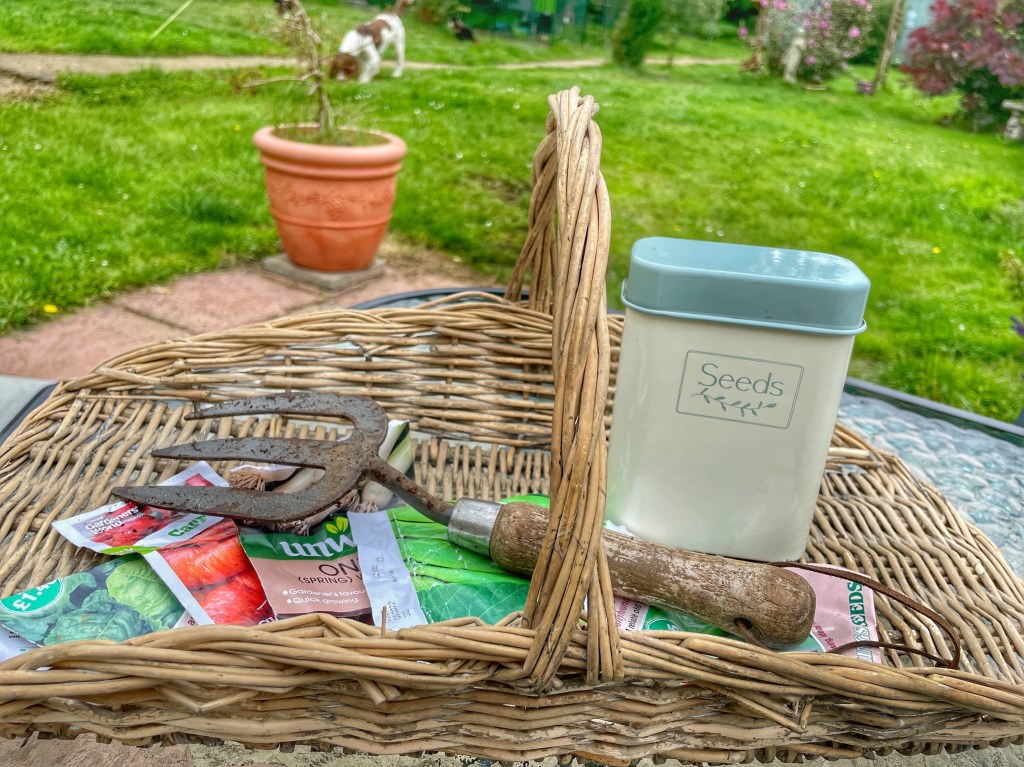
Growing your own vegetables is a great option to encourage a love of vegetables for kids that are a little fussy! Some vegetables, such as runner beans, are easy to grow and will product a prolific harvest!
Last year we grew broccoli, courgettes, runner beans, tomatoes and more. Read my blog about how easy and satisfying it is to grow your own! https://countryrambles.com/2023/07/31/embracing-the-magic-of-homegrown-vegetables/
5. Say Goodbye to Phantom Energy
Phantom energy, or the power consumed by gadgets when they’re turned off, is really wasteful. Unplug chargers, switch off appliances at the wall, and invest in a power strip with an on/off switch for multiple devices.
6. Sustainable Transportation
Consider cycling, walking, or taking public transport instead of driving everywhere. Sometimes, of course, we know that driving is the only option as many areas don’t have public transport. Car sharing is also a great way to reduce emissions and save money on fuel, plus its a great opportunity to enjoy a relaxed chat on the journey!
7. Support local businesses
Supporting small local businesses is really important and is vital to keep them going. Use them or lose them. Supporting your local shops, restaurants, pubs, venues etc is paramount for building a stronger community, providing local jobs for local people and increasing the local spend. In the food industry, locally sourced products hugely reduce transport miles, thereby significantly reducing the amount of co2 emissions. Many local businesses produce a great range of stock, with unique flavour combinations, that you’re often unlikely to find in a supermarket.
Personally I find it extremely sad that its rare to find independent shops, selling essentials, such as greengrocers, bakers and butchers. I’d far rather see shops like this than a multitude of coffee shops and takeaways and shops selling useless cheap tat!
8. Save Water
Water is precious, so don’t let it go to waste. Fix any leaks, install low-flow showerheads, and be mindful of your water usage when cleaning your teeth or doing the washing up. Install a water butt in your garden to collect rainwater, or leave the watering can out so rainwater collects in that – rain water is so much better for your plants than tap water anyway. Every drop counts!
9. Support Sustainable Brands
Show your support for companies that prioritise sustainability. Look for certifications like Fair Trade, organic, or cruelty-free on products you buy. Your consumer choices can help to drive positive change in the market.

10. Grow Your Green Thumb
Bring a touch of nature into your home by adding some houseplants. They purify the air and create a peaceful atmosphere. Plus, they’re a constant reminder of our connection to the environment.
You might like to read my blog post about easy to care for houseplants here!
Remember, it’s not about perfection; it’s about progress. These simple changes can collectively make a massive impact on our environment. Let’s all do our part, one eco-friendly choice at a time, and watch our world thrive.

 COUNTRY RAMBLES