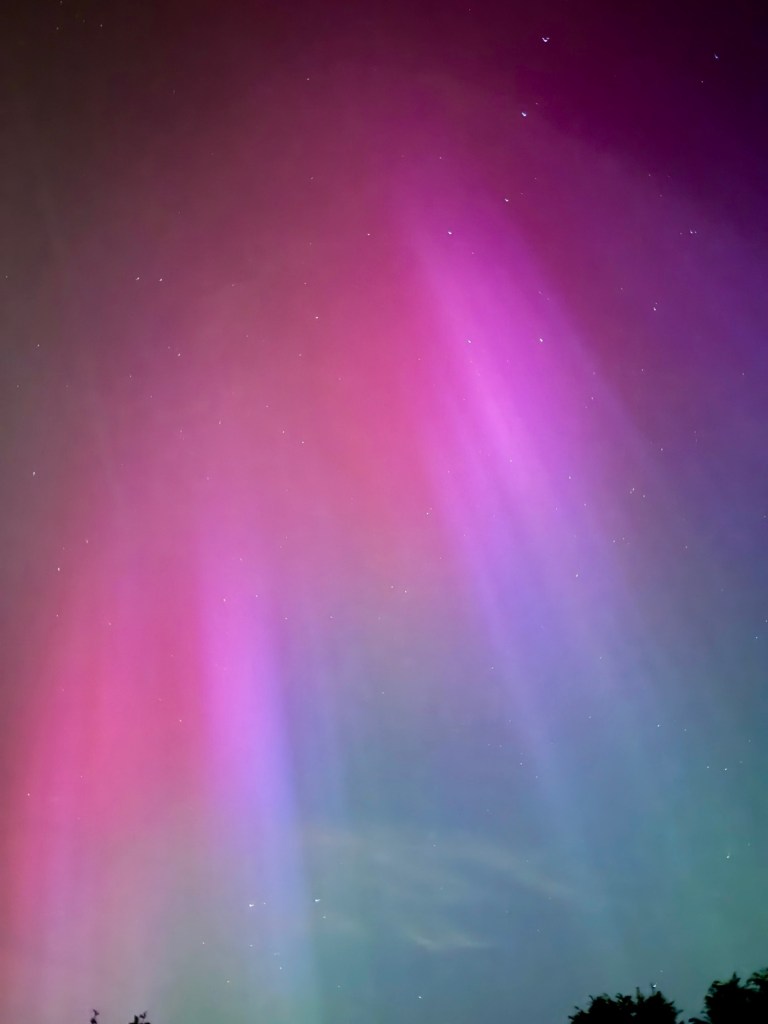
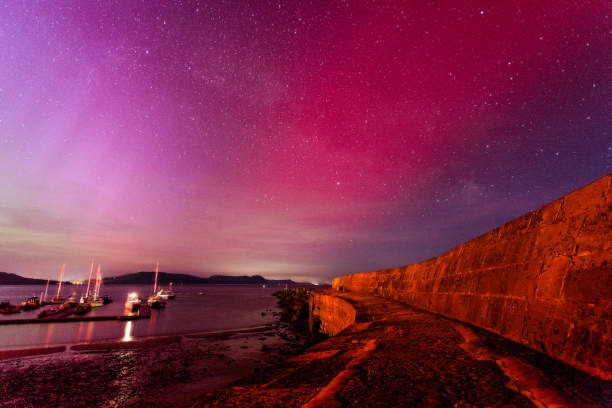
Earlier this month, many of us in Surrey and Sussex were amazed to spot the Northern Lights – a sight we usually associate with far away places like Norway or Iceland, or in the UK they’re usually limited to the further north such as Scotland or the very top of England. But this year, on 10th May and again on 10th October, the skies above southern England were lit up by this stunning masterpiece, leaving us all in awe. So, why did this happen, and could we be lucky enough to see them again anytime soon?
What causes the Northern Lights
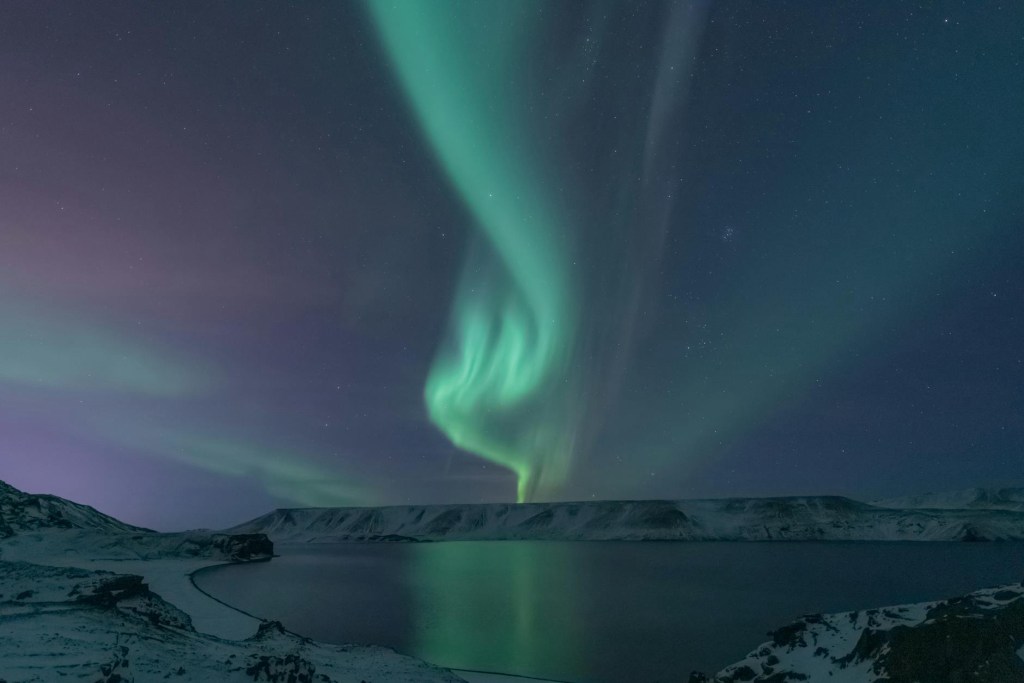
The Northern Lights, or Aurora Borealis, happen when energy from the sun reaches Earth and interacts with the gases in our atmosphere. The particles from the sun create a natural light show as they collide with oxygen and nitrogen high above the Earth. Usually, these light displays are only seen in the far north, but when solar activity is particularly strong, as it was earlier this month, the auroras can stretch much further south – into Surrey and Sussex! I believe that most of the country were treated to this stunning light show in October judging by all the wonderful photos shared on social media.

Tristan Pokornyi Pexels
How were we able to see the Northern Lights In Surrey
On the night of 10th October there was a big surge of solar energy, known as a geomagnetic storm. This storm was strong enough to make the Northern Lights visible across parts of southern England. It’s rare for this to happen, but every so often, the sun’s activity pushes the auroras beyond their usual range. Thanks to these unusual conditions, we got to enjoy this dazzling display!
When will we next see the Northern Lights
Although sightings like this don’t happen very often, we’re actually in a phase where solar activity is increasing, called the ‘solar maximum.’ This means the sun will be more active over the next few years, and with that, our chances of seeing the Northern Lights here in the UK go up. The solar cycle lasts about 11 years, and we’re getting closer to the peak of the current one, which will be around 2025. So this means that, although it’s impossible to predict the exact dates, there’s a decent chance we’ll get another opportunity to see them again soon!
How not to miss out on spotting the Northern Lights
If you’re keen to see the Northern Lights again, here’s what to do:
Check out space weather forecasts
There are websites that can alert you when solar activity is high.
Take a look at these:
Head out into the countryside or more rural areas
Light pollution in towns can dim the auroras, so try rural areas like the Surrey Hills or South Downs for the best views. This applies when you’re star gazing too. If you’re in a town or city it’s much more difficult to spot the stars in the sky, whereas if you’re in the middle of nowhere or even a small village and it’s a clear sky it’s mesmerising to look at the sky and see the millions of stars. I find it truly fascinating!!
Make sure you’re equipped with either a camera or even your phone On 10th October in southern England it was quite impossible to see the colours in the sky, but when you took a photo, magically they were there! Even if the lights seem faint, your phone or camera can pick up far more detail than the naked eye.
With a bit of luck and some clear skies, we might be in for another surprise light show over southern England! Until then, keep your eyes on the sky!
5 facts you may not know about the Northern Lights
- The different colours come from different gases – oxygen gives green and red hues while nitrogen gives blue and purple!
- Other planets such as Jupiter and Saturn also have auroras and some are brighter than ours!
- Some cultures interpret auroras to have different meanings, such as ancestor spirits and a bridge to the afterlife.
- The word ‘aurora’ is the Latin word for dawn.
- The Northern Lights are also known as Aurora Borealis, Polar Lights, Arctic Lights and more poetically Dancing Lights and Night Dazzle!

 COUNTRY RAMBLES