I have fond memories of viewing the Ouse Valley viaduct as a child – not a deliberate visit, more of a fleeting glance and familiarity check after visits to see my Gran when she lived in Haywards Heath – but significant none the less – and a sight that I’ve always remembered and recently decided to revisit to capture those memories.
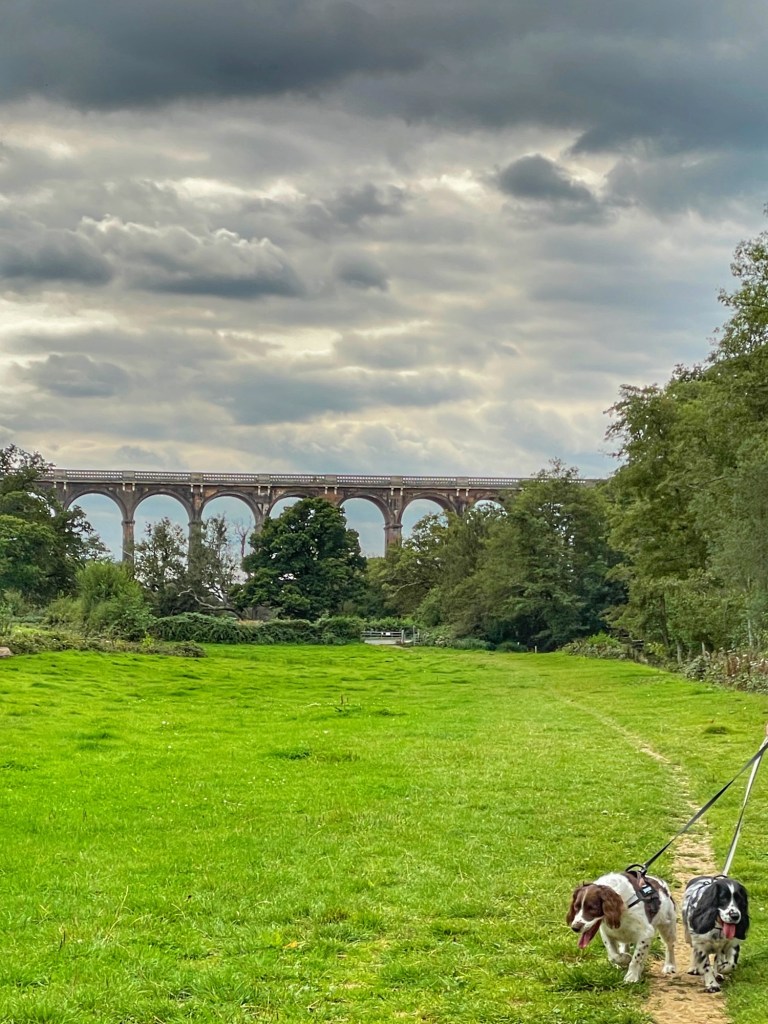
Nestled amidst the serene West Sussex countryside, between Haywards Heath and Balcombe, the Ouse Valley Viaduct stands as an example of incredible Victorian design and engineering. The viaduct has recently become a popular destination due to its Instagram-worthiness. We visited on a cloudy August day and there were a few other people taking photos when we were there. I would imagine on a sunny day it would be much busier. Spanning the River Ouse in Sussex, this iconic structure has captured the hearts and imaginations of locals and travelers alike for generations. Join me in discovering what makes this viaduct so special and why it’s worth a visit.

A Marvel of Victorian Engineering
Constructed between 1839 and 1841 as part of the London and Brighton Railway, the Ouse Valley Viaduct showcases the ingenuity and skill of Victorian engineers. Designed by engineer John Urpeth Rastrick and architect David Mocatta, the viaduct stretches an impressive 1,475 feet (almost 450 metres) in length and stands 96 feet tall (29.3 metres) at its highest point. With 37 arches constructed from locally sourced red bricks, it’s a striking example of Gothic Revival architecture!
A perfect location
Beyond its engineering marvel, the Ouse Valley Viaduct offers visitors breathtaking views of the surrounding landscape. As trains travel across the viaduct, passengers are treated to panoramic views of the River Ouse below, meandering through lush greenery and far reaching views above the tree tops. The viaduct’s picturesque setting provides ample opportunities for photographers to capture stunning shots of this iconic structure against the backdrop of the English countryside.

Transport links
The Ouse Valley Viaduct has played a significant role in connecting communities and enabling transportation between London and Brighton. It has witnessed the evolution of rail travel, from steam locomotives to modern electric trains, while remaining a timeless symbol of progress and innovation.
What you need to know
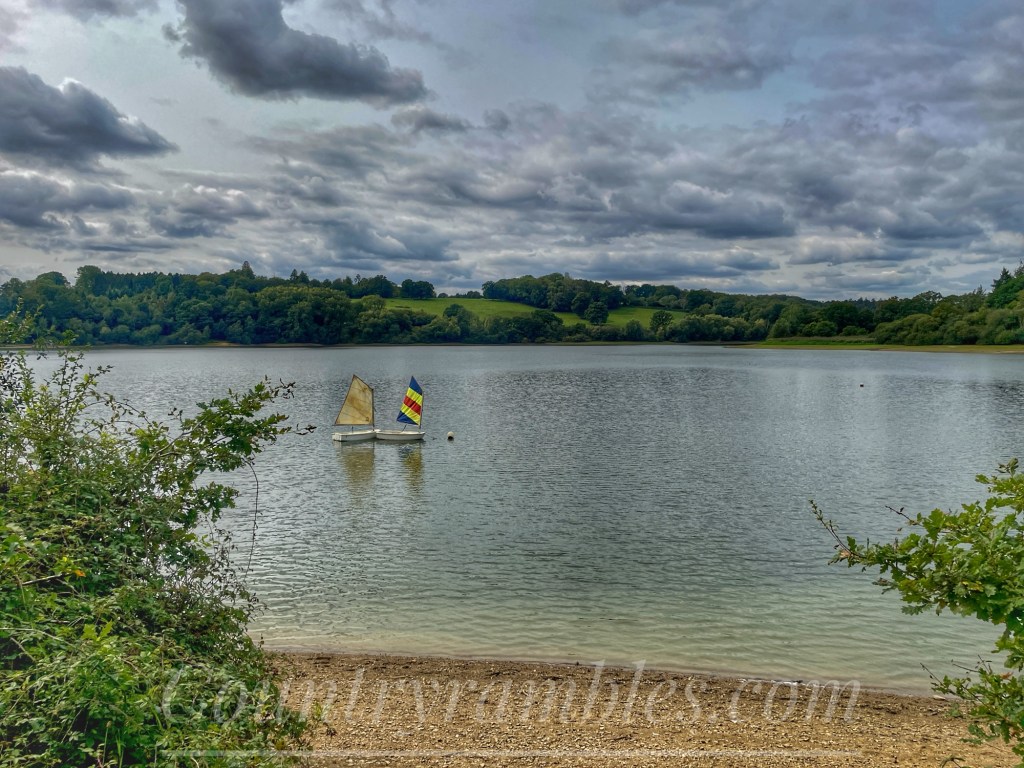
We parked in the car park at Ardingly Reservoir. To locate the car park, you’ll need to pop RH17 6SQ into your satnav. The car park is free and you can enjoy a walk around the scenic reservoir when you visit. It’s about a mile to the viaduct from here, although we took an alternative route as we decided to walk around the reservoir first – which resulted in an interesting detour through a country estate and an extra few miles!!
If you would like to know the shortest route from this car park – you need to walk up the hill from the car park then take a left and walk up a small hill by the clubhouse (this will be on your left when you reach the reservoir.) You’ll walk through a couple of fields and cross a couple of streams via small bridges, before reaching the road, where you will see the viaduct spanning in front of you.
Dogs are welcome as it’s a public space but please keep them on leads if you walk them through any livestock.
There is no charge to view the viaduct.
You’ll need shoes or boots that are suitable for walking across fields, if it’s rained the grass will be boggy and also the grass was quite long around the viaduct when we visited.
Why visit the Ouse Valley Viaduct?
- It’s a pretty amazing structure – The viaduct’s elegant design and impressive scale make it a must-see for architecture enthusiasts and for those that have an interest in history.
- It’s a lovely opportunity to explore the tranquil surroundings of the River Ouse and enjoy scenic walks or picnics amidst picturesque English landscapes.
- It’s a brilliant subject for photographers – Capture unforgettable moments against the backdrop of this iconic structure, whether you’re a seasoned photographer or simply seeking Instagram-worthy shots.
- Train enthusiasts may spot a steam train puffing by overhead – which is actually a pretty incredible sight even if trains aren’t your thing!
- Spending time in a beautiful place is good for our soul – a perfect opportunity to take some time out to unwind and soak up the tranquility of the countryside.
The Bluebell Railway
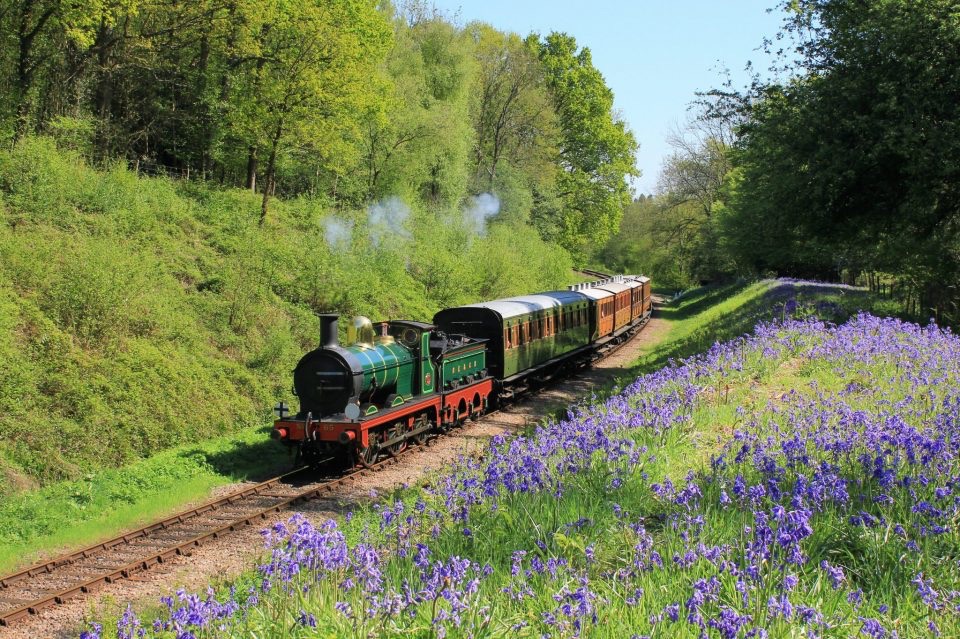
I couldn’t write about this amazing viaduct without mentioning the Bluebell Railway! You can take a ride on an original steam train on the Bluebell Railway in West Sussex, a perfect opportunity to take a step back in time and just imagine how life used to be! These magnificent steam trains traverse between East Grinstead and Sheffield Park with the opportunity to stop off at Horsted Keynes or Kingscote stations. I was lucky enough to visit Horsted Keynes station when I worked in a school and the year 6 topic was ww2 – we took a trip on the steam train and then went back to the station where the pupils engaged in role play learning what it was like to be evacuated! What a brilliant way for kids to learn and also (from an adult point of view) a reminder how lucky kids are today and how awful it must have been during the war, for families to be parted, not knowing when they’d see each other again. Horsted Keynes station has been renovated to depict how it would have been in the 1920s. It really is like stepping back in time – no wonder scenes from Downton Abbey and other films and programmes were filmed there!
A lovely place to visit
As you stand in awe beneath its towering arches or gaze out from a passing train carriage, take the time to appreciate this incredible structure and enjoy the timeless beauty of the English countryside, surrounded by nature.
Add this iconic landmark to your travel wish list and enjoy a journey through history and nature along the banks of the River Ouse.

 COUNTRY RAMBLES